Outdoor spaces are an extension of the home. Yards, gardens, and property perimeters provide areas for relaxation, recreation, and natural beauty. However, these spaces can also become breeding grounds for pests if not properly managed.
Outdoor Pest Control Port St Lucie plays a crucial role in preventing infestations, protecting landscaping investments, and reducing the likelihood of pests migrating indoors. By understanding how pests interact with outdoor environments, homeowners can take proactive steps to maintain healthier, more enjoyable outdoor areas.
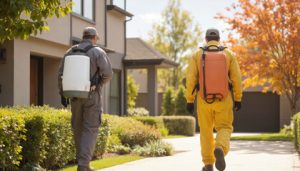
Why Outdoor Pest Control Matters
Many pest problems begin outside before making their way indoors. Yards and gardens offer abundant food, water, and shelter, making them ideal habitats for pests. If outdoor pest activity is not controlled, infestations can quickly spread to the home’s interior.
Outdoor pest control focuses on reducing pest populations at the source. By managing activity around the property perimeter, homeowners create a protective barrier that helps keep pests from entering living spaces.
Common Outdoor Pests and Their Impact
Outdoor pests vary widely depending on environmental conditions, but they generally fall into a few broad categories. Insects often target gardens, lawns, and outdoor structures, feeding on plants and organic matter. Other pests may burrow into soil, nest in landscaping features, or seek shelter near foundations.
These pests can damage plants, disrupt soil health, and create unsafe or uncomfortable outdoor environments. Some also pose health risks, while others contribute to structural damage if they migrate closer to the home.
How Pests Use Outdoor Spaces
Outdoor environments provide everything pests need to survive. Dense vegetation offers shelter, standing water provides hydration, and organic debris supplies food. Gardens, compost areas, and lawn features are especially attractive.
Pests also use outdoor spaces as transition zones. Once they establish themselves near a property, it becomes easier for them to find entry points into buildings. Managing these outdoor conditions is key to long-term pest prevention.
The Importance of Yard Maintenance
Regular yard maintenance is one of the most effective forms of outdoor pest control. Overgrown grass, untrimmed shrubs, and accumulated debris create ideal hiding spots for pests. Keeping landscaping tidy reduces shelter and limits breeding opportunities.
Removing fallen leaves, trimming vegetation away from structures, and maintaining clean garden beds all contribute to a less inviting environment for pests. Consistent upkeep makes a noticeable difference in pest activity levels.
Garden Pest Control Without Harming Plants
Gardens require a balanced approach to pest control. While pests can damage plants, overly aggressive control methods can harm soil health and beneficial organisms. Outdoor pest control strategies should focus on protecting plants while preserving the ecosystem.
Monitoring plant health, removing damaged foliage, and improving soil conditions help plants resist pest pressure naturally. A healthy garden is less attractive to pests and more resilient overall.
Managing Moisture and Water Sources
Moisture is a major attractant for outdoor pests. Standing water, poorly draining soil, and overwatering create ideal breeding conditions. Managing moisture is essential for effective outdoor pest control.
Simple actions such as fixing drainage issues, adjusting watering schedules, and eliminating water collection areas significantly reduce pest attraction. Dry, well-drained environments are less favorable for pest activity.
Perimeter Pest Control as a First Line of Defense
The property perimeter is a critical focus area for outdoor pest control. Pests often travel along foundations, fences, and borders as they search for food and shelter. Addressing pest activity at the perimeter helps prevent migration indoors.
Sealing cracks, repairing gaps, and maintaining clear space around foundations strengthen this protective barrier. A well-managed perimeter reduces the chances of pests gaining access to the home.
Outdoor Structures and Pest Risks
Sheds, decks, fences, and play structures can all attract pests if not properly maintained. These structures often provide shaded, undisturbed areas where pests can hide and nest.
Inspecting outdoor structures regularly and addressing damage or decay helps reduce pest risks. Keeping these areas clean and in good condition supports overall outdoor pest control efforts.
The Role of Soil Health in Pest Control
Soil health plays an important role in outdoor pest management. Poor soil conditions can attract pests that feed on decaying organic matter or weakened plants. Healthy soil supports strong plant growth, making gardens more resistant to pest damage.
Improving soil structure, managing organic material, and maintaining proper nutrient balance all contribute to a healthier outdoor environment. This proactive approach reduces the need for reactive pest control measures.
Natural Predators and Outdoor Pest Balance
Outdoor ecosystems naturally include predators that help control pest populations. Encouraging these beneficial organisms supports balanced pest management. When natural predators thrive, pest populations are less likely to grow unchecked.
Maintaining diverse plant life and avoiding practices that disrupt ecosystems help preserve this balance. Outdoor pest control benefits from working with nature rather than against it.
Timing and Seasonal Outdoor Pest Control
Pest activity fluctuates throughout the year. Warmer seasons often bring increased insect activity, while cooler periods may reduce visible pests but encourage nesting near structures. Outdoor pest control strategies should adapt to these seasonal changes.
Regular seasonal inspections allow homeowners to address emerging risks. Proactive timing prevents sudden infestations during peak activity periods.
Preventing Pests From Moving Indoors
One of the main goals of outdoor pest control is to prevent pests from entering the home. When outdoor populations are managed effectively, indoor infestations become far less likely.
Creating physical barriers, reducing attractants, and maintaining outdoor cleanliness all contribute to this goal. Outdoor pest control is an essential part of comprehensive home protection.
Safe and Sustainable Outdoor Pest Control Practices
Sustainable outdoor pest control focuses on long-term prevention rather than short-term elimination. By reducing attractants and improving environmental conditions, pest populations naturally decline.
This approach protects beneficial organisms, supports soil health, and reduces environmental impact. Sustainable practices deliver effective results without compromising outdoor ecosystems.
Outdoor Pest Control for Family-Friendly Spaces
Outdoor areas are often used for family activities, making safety a priority. Pest control strategies should maintain comfort without introducing unnecessary risks. Prevention-focused methods help create enjoyable outdoor environments.
Maintaining clean play areas, managing waste, and addressing moisture issues all support safer outdoor spaces. A well-managed yard enhances both comfort and usability.
Monitoring and Early Detection Outdoors
Regular monitoring is key to effective outdoor pest control. Observing changes in plant health, soil conditions, and pest activity helps identify issues early. Early detection allows for targeted action before problems escalate.
Consistent monitoring also improves understanding of pest patterns. This knowledge supports better long-term planning and prevention.
Integrating Outdoor Pest Control With Overall Property Care
Outdoor pest control should be part of a broader property maintenance strategy. Coordinating yard care, structural maintenance, and sanitation creates a unified approach to pest prevention.
This integration improves efficiency and ensures that pest risks are addressed holistically. A well-maintained property naturally discourages pest activity.
Long-Term Benefits of Outdoor Pest Control
Effective outdoor pest control provides long-term benefits beyond pest reduction. Healthier plants, improved soil quality, and reduced indoor pest risks all contribute to property value and enjoyment.
Over time, proactive outdoor pest management reduces the need for intensive treatments and emergency interventions. Consistency leads to lasting results.
Why Proactive Outdoor Pest Control Is Essential
Waiting until pests become a visible problem often leads to more complicated solutions. Proactive outdoor pest control addresses risks early, preventing infestations from taking hold.
By focusing on prevention and environmental management, homeowners gain greater control over their outdoor spaces. This proactive mindset supports year-round protection.
Outdoor pest control is a vital part of maintaining healthy, enjoyable yards, gardens, and property perimeters. By managing outdoor conditions, reducing attractants, and addressing pest activity early, homeowners create strong defenses against infestations.
A thoughtful, consistent approach to outdoor pest control protects landscaping investments, enhances comfort, and reduces the likelihood of pests entering the home. With proactive care and awareness, outdoor spaces can remain inviting, functional, and pest-resistant throughout the year.