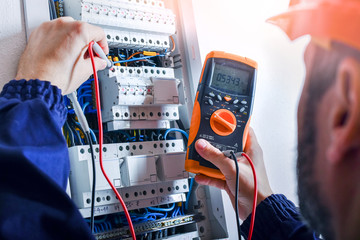
Electricity powers nearly every aspect of modern life. From lighting and appliances to heating systems and technology, reliable electrical systems are essential for comfort, safety, and productivity. Behind these systems is the expertise of a trained electrician. Electrician Jacksonville NC play a critical role in installing, maintaining, and repairing electrical infrastructure in homes and commercial properties.
Understanding what electricians do and why professional service matters can help property owners make informed decisions that protect both their investment and their safety.
What Does an Electrician Do
An electrician is a skilled professional trained to work with electrical systems. Their responsibilities include installing wiring, connecting electrical panels, troubleshooting issues, and ensuring compliance with safety codes. Electricians handle both new construction projects and upgrades to existing systems.
In residential settings, electricians may install lighting fixtures, outlets, circuit breakers, and home automation systems. In commercial environments, their work often involves larger scale installations, higher voltage systems, and more complex infrastructure.
The expertise of an electrician ensures that electrical systems function efficiently and safely.
The Importance of Hiring a Licensed Electrician
Electrical work requires technical knowledge and precision. Attempting to perform electrical repairs without proper training can result in serious safety hazards, including electrical shocks, fires, and system failures.
Licensed electricians complete rigorous training and certification processes to ensure they understand electrical codes and best practices. Their knowledge helps prevent mistakes that could compromise safety.
Hiring a licensed electrician protects both the property and its occupants from potential risks.
Common Residential Electrical Services
Homeowners rely on electricians for a wide range of services. Installing new outlets, upgrading electrical panels, and replacing outdated wiring are common tasks. Electricians also troubleshoot problems such as flickering lights, tripping breakers, or power outages.
Home renovations often require electrical modifications. Adding new rooms, upgrading kitchens, or installing energy efficient lighting all involve electrical adjustments. An experienced electrician ensures that upgrades meet safety standards and integrate seamlessly with existing systems.
Reliable residential electrical service enhances comfort and convenience.
Electrical Panel Upgrades and Maintenance
The electrical panel is the central hub of a building’s electrical system. It distributes power to different circuits and protects them through breakers or fuses. As homes and businesses add more electrical devices, panels may require upgrades to handle increased demand.
An electrician can evaluate whether a panel has sufficient capacity and recommend improvements if needed. Regular maintenance of the panel ensures that connections remain secure and breakers function properly.
Keeping the panel in good condition supports long term electrical reliability.
Lighting Installation and Design
Lighting significantly influences the atmosphere and functionality of a space. Electricians install various types of lighting, including recessed lights, pendant fixtures, outdoor lighting, and energy efficient systems.
Proper installation ensures that lighting operates safely and efficiently. Electricians also help position fixtures to maximize brightness and minimize glare.
Well designed lighting enhances both aesthetics and practicality.
Electrical Safety and Code Compliance
Electrical codes are established to protect property and occupants from hazards. Electricians are trained to follow these regulations during installation and repair work.
Compliance includes proper grounding, correct wire sizing, and adequate circuit protection. Inspections may be required to verify that electrical systems meet standards.
Adhering to safety codes reduces the risk of accidents and ensures long term system stability.
Troubleshooting and Repairs
Electrical issues can develop over time due to wear, aging components, or unexpected damage. An electrician diagnoses problems using specialized tools and expertise.
Common issues include faulty outlets, overloaded circuits, and malfunctioning switches. Prompt repair prevents small problems from escalating into major hazards.
Professional troubleshooting restores functionality and ensures that electrical systems remain safe.
Commercial Electrical Work
In commercial settings, electricians handle more complex and large scale projects. Businesses often require high capacity electrical systems to support equipment, lighting, and data infrastructure.
Commercial electricians install and maintain distribution panels, backup generators, and specialized wiring systems. They also ensure compliance with industry regulations.
Reliable commercial electrical service supports productivity and minimizes downtime.
Energy Efficiency and Modern Electrical Solutions
Energy efficiency is an important consideration for both homeowners and businesses. Electricians can recommend and install energy saving solutions such as LED lighting, smart thermostats, and advanced power management systems.
Upgrading to energy efficient equipment reduces electricity consumption and lowers utility bills. Electricians may also conduct assessments to identify areas where efficiency can be improved.
Modern electrical solutions combine performance with sustainability.
Emergency Electrical Services
Electrical emergencies require immediate attention. Power outages, exposed wiring, and burning smells indicate potential hazards that should not be ignored.
An electrician can respond quickly to assess and resolve emergency situations. Rapid intervention reduces the risk of property damage and personal injury.
Having access to professional emergency services provides peace of mind.
The Training and Skills of an Electrician
Becoming an electrician requires extensive training and hands on experience. Apprenticeships and formal education programs provide the foundation for understanding electrical systems.
Electricians must stay updated on evolving technologies and code changes. Continuous learning ensures they can handle new equipment and modern building standards.
Their skill set combines technical knowledge, problem solving ability, and attention to detail.
Long Term Benefits of Professional Electrical Work
Investing in professional electrical services offers long term benefits. Proper installation reduces the likelihood of future repairs and enhances system longevity.
Safe and reliable electrical systems increase property value and improve daily comfort. Professional work also ensures that insurance and inspection requirements are met.
Quality electrical service contributes to both safety and efficiency.
Choosing the Right Electrician
Selecting a qualified electrician is an important decision. Reviewing credentials, experience, and customer feedback provides insight into reliability and professionalism.
Clear communication about project scope, timelines, and costs helps establish expectations. A trustworthy electrician prioritizes safety and delivers high quality workmanship.
Taking time to choose the right professional ensures positive results.
Conclusion
Electricians play a vital role in maintaining the safety, efficiency, and functionality of electrical systems in homes and businesses. From installation and upgrades to troubleshooting and emergency repairs, their expertise ensures that power systems operate reliably.
Hiring a skilled electrician protects property and occupants from potential hazards while supporting modern energy needs. With proper training, adherence to safety standards, and commitment to quality work, electricians provide essential services that keep daily life running smoothly. Investing in professional electrical services is a practical and responsible decision that delivers lasting value and peace of mind.