Construction projects are complex undertakings that require careful coordination, strategic planning, and disciplined execution. From small-scale renovations to large commercial builds, successful outcomes rarely happen by accident. Behind every well-executed project is a structured system known as construction project management. This process ensures that budgets are controlled, timelines are met, safety standards are upheld, and quality expectations are delivered consistently. Without effective project management, even the most promising construction plans can fall apart due to miscommunication, delays, or cost overruns.
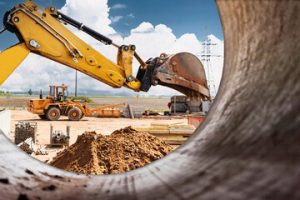
GK Construction Solutions project management is more than simply overseeing labor and materials. It is a comprehensive framework that integrates planning, procurement, coordination, risk management, and quality control. Understanding the key phases and best practices of construction project management allows property owners, developers, and contractors to approach projects with clarity and confidence. When applied correctly, these principles reduce uncertainty, improve efficiency, and protect long-term investment value.
The Importance of Construction Project Management
Every construction project involves multiple stakeholders, including owners, designers, contractors, subcontractors, suppliers, and inspectors. Coordinating these parties requires a clear chain of command and structured processes. Construction project management establishes that structure. It defines responsibilities, organizes communication channels, and aligns goals among everyone involved.
Effective project management also mitigates risks. Construction sites are dynamic environments where unforeseen issues—such as weather disruptions, material shortages, or structural challenges—can arise at any time. A strong management framework anticipates these risks and develops contingency plans to address them efficiently. Ultimately, construction project management ensures that projects move from concept to completion with minimal disruption and maximum productivity.
Phase 1: Project Initiation and Planning
The first phase of construction project management is initiation and planning. This stage sets the foundation for the entire project and determines whether objectives are realistic and achievable. During this phase, stakeholders define the project scope, budget expectations, design requirements, and timeline goals. Clear planning at the beginning prevents costly revisions later.
Key activities in this phase typically include:
- Conducting feasibility studies to evaluate site conditions and regulatory requirements.
- Establishing preliminary budgets and financial forecasts.
- Identifying project stakeholders and assigning roles.
- Developing an initial project schedule.
Comprehensive planning allows project managers to anticipate challenges before construction begins. It also ensures that all stakeholders share a unified understanding of the project’s purpose and constraints. Skipping or rushing this stage often results in misaligned expectations, which can derail progress down the line.
Phase 2: Design and Pre-Construction
Once the planning phase is complete, the project moves into design and pre-construction. This stage transforms conceptual ideas into detailed architectural and engineering plans. It is during this phase that specifications, materials, and construction methods are finalized.
Pre-construction also involves cost estimation and procurement planning. Accurate cost analysis ensures that the project remains financially viable and that adjustments can be made before construction begins. Additionally, project managers secure permits and approvals, coordinate with regulatory authorities, and prepare contract documents.
Strong collaboration between designers and construction teams during this stage is essential. Early coordination helps identify potential conflicts in structural systems, mechanical layouts, or material selections. Addressing these issues before breaking ground prevents delays and costly redesigns.
Phase 3: Procurement
Procurement focuses on acquiring the labor, materials, equipment, and services needed for construction. This phase requires strategic sourcing and vendor management to maintain both quality and cost control. Selecting reliable suppliers and subcontractors is critical to maintaining schedules and ensuring consistent workmanship.
During procurement, project managers:
- Evaluate subcontractor qualifications and negotiate contracts.
- Order materials according to the construction timeline.
- Confirm delivery schedules to prevent site downtime.
- Monitor supply chain risks and adjust accordingly.
Effective procurement practices prevent delays caused by material shortages or subcontractor conflicts. In addition, maintaining strong relationships with suppliers and trades contributes to smoother project execution.
Phase 4: Construction Execution
The construction phase is where plans become reality. This stage involves on-site coordination, supervision of labor, quality inspections, and adherence to safety protocols. Project managers oversee daily operations to ensure work progresses according to schedule and meets established standards.
Communication is particularly vital during this phase. Regular site meetings, progress reports, and inspections keep stakeholders informed and aligned. Construction managers must also address unexpected issues quickly to prevent disruptions. These challenges might include weather delays, design adjustments, or unforeseen site conditions.
Best practices during construction execution include:
- Maintaining a detailed project schedule and tracking progress daily.
- Enforcing strict safety guidelines to protect workers and visitors.
- Conducting frequent quality inspections to ensure compliance.
- Documenting changes through formal change order procedures.
By maintaining oversight and clear documentation, project managers can respond to issues efficiently without compromising quality or budget integrity.
Phase 5: Monitoring and Controlling
Although monitoring occurs throughout the project lifecycle, it becomes particularly significant during active construction. Monitoring and controlling involve tracking key performance indicators such as budget adherence, schedule progress, safety metrics, and quality benchmarks.
Financial management is a central component of this phase. Project managers compare actual costs against projected budgets to identify variances early. Addressing discrepancies quickly prevents budget overruns and preserves financial stability.
Schedule management is equally important. Delays in one area of construction can create cascading setbacks in others. Effective monitoring ensures that adjustments are made promptly to keep the project on track.
Risk management also plays a critical role. Construction environments are unpredictable, and proactive risk assessments help identify potential hazards before they escalate. Through consistent oversight, project managers maintain control and minimize disruptions.
Phase 6: Project Closeout
The final phase of construction project management is project closeout. This stage ensures that all contractual obligations are fulfilled and that the project is formally completed. Closeout activities include final inspections, documentation review, and handover procedures.
During project closeout, managers typically:
- Conduct walkthroughs to verify completion of all work items.
- Address punch list items or minor corrections.
- Provide maintenance manuals and warranty documentation.
- Finalize financial settlements and close contracts.
Proper closeout procedures protect both the client and contractor by confirming that work meets agreed-upon standards. It also establishes a foundation for long-term maintenance and operational success.
Best Practices for Effective Construction Project Management
Understanding the phases of construction project management is only part of the equation. Applying best practices ensures consistent performance and successful outcomes. Among the most important strategies are clear communication, comprehensive documentation, and proactive risk planning.
Communication should remain transparent and structured from start to finish. Regular meetings, written reports, and digital project management tools enhance collaboration and reduce misunderstandings. Clear communication channels prevent delays caused by confusion or incomplete information.
Documentation is another critical best practice. Detailed records of contracts, change orders, inspections, and financial transactions create accountability and clarity. Thorough documentation also simplifies dispute resolution if disagreements arise.
Proactive risk management further strengthens project stability. Identifying potential risks early—such as weather impacts, labor shortages, or regulatory changes—allows teams to develop contingency plans. Preparedness minimizes downtime and protects schedules.
Finally, prioritizing quality and safety ensures long-term success. High-quality workmanship reduces the likelihood of repairs or structural issues in the future. Strict safety protocols protect workers and reduce liability risks. Together, quality and safety contribute to a project’s overall sustainability.
The Role of Technology in Modern Project Management
Advancements in technology have transformed construction project management in recent years. Digital scheduling tools, project management software, and real-time communication platforms enhance coordination and transparency. These tools allow project managers to track progress, monitor budgets, and share updates instantly.
Technology also improves accuracy in cost estimation and design coordination. Building information modeling, for example, enables teams to visualize structures before construction begins, reducing errors and material waste. Leveraging modern tools increases efficiency while supporting data-driven decision-making.
However, technology should complement—not replace—strong leadership and practical experience. Skilled project managers combine digital tools with hands-on expertise to navigate complex construction environments effectively.
Conclusion
Construction project management is the backbone of any successful build. By understanding its key phases—initiation, design, procurement, execution, monitoring, and closeout—stakeholders can approach projects with clarity and structure. Each phase plays a critical role in ensuring that objectives are met, budgets remain controlled, and quality standards are upheld.
Applying best practices such as transparent communication, thorough documentation, proactive risk management, and strategic use of technology further strengthens project outcomes. Construction projects are inherently complex, but with effective management, they can progress smoothly from concept to completion.
Ultimately, successful construction project management is about more than timelines and budgets. It is about leadership, coordination, and delivering lasting value. When implemented thoughtfully and consistently, these principles transform ambitious plans into tangible results that stand the test of time.